

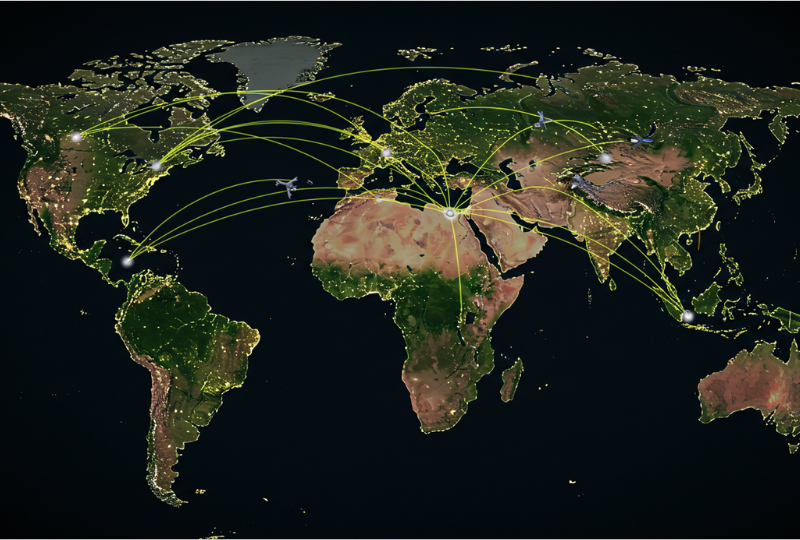
Export is one of the most powerful tools in a company’s growth strategy. However, entering international markets is not merely about selling products; it is a comprehensive process that requires strategic decision-making, meticulous planning, and compliance with global standards. Market selection, pricing, customs compliance, logistics planning, and after-sales services are the cornerstones of export success. When managed effectively, export not only increases revenue but also enhances brand recognition and provides a strong competitive advantage in the global arena.
The export journey begins with choosing the right target market. Without analyzing demand, competition intensity, and regulations, steps taken may result in costly trial-and-error processes for companies. In the target country, product compliance, labeling standards, certification requirements, and customs procedures must be thoroughly researched in advance. This not only helps overcome entry barriers but also saves time and costs, giving exporters a stronger position in the market.
"Sustainable growth in exports relies on the right market, the right offer, and the right operations."
Success in exports relies on proper pricing and a reliable quotation process. Delivery terms (Incoterms), delivery schedules, payment methods, and insurance coverage directly influence the perceived value of the offer. Payment instruments such as letters of credit, bank guarantees, or open account terms carry different risk profiles that must be carefully assessed. The right combination preserves cash flow while strengthening customer trust. Strategic decisions made at this stage often lay the foundation for long-term business partnerships.
In the operational phase, the complete and accurate preparation of export declarations, movement/origin certificates, and accompanying documents is crucial. Transportation planning, packaging, and cargo security minimize potential damages and delays. Border coordination and export escort processes ensure uninterrupted flow. Professional logistics management serves as the strongest guarantee for keeping delivery commitments made to customers.
In exports, after-sales processes impact not only customer satisfaction but also corporate profitability. Delivery confirmations, customs closures, and applications for incentives or subsidies play a vital role at this stage. Returns, warranties, and service processes strengthen customer loyalty. Moreover, with government support schemes and the rise of e-export opportunities, SMEs have also become active players in global trade. Thus, export is no longer an arena reserved only for large corporations but a growth opportunity accessible to businesses of all sizes.
When managed with the right strategy, export is not only a source of revenue but also a powerful tool that enhances brand value and strengthens competitiveness in global markets. Market selection, quotation management, and operational excellence are indispensable for ensuring sustainability in exports. Collaborating with professional partners increases reliability and drives long-term success for companies.