
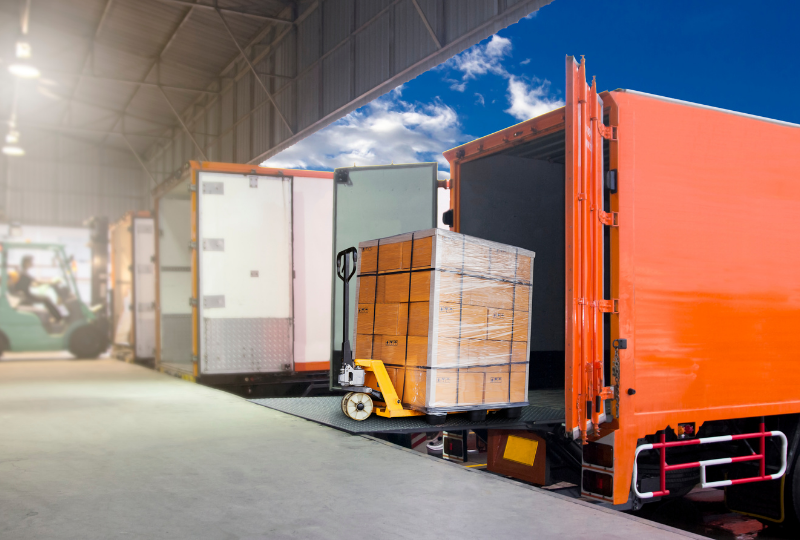
Transportation is one of the most critical stages forming the backbone of modern supply chains. Regardless of the product’s quality, price, or market potential, the wrong choice of transport mode can result in delays, additional costs, and customer dissatisfaction. Selecting the right mode of transport not only ensures the movement of goods but also directly impacts a company’s commercial reputation, operational efficiency, and profitability. Therefore, optimizing the balance between speed, cost, and risk has become a strategic success factor in logistics management.
Each mode of transport has its unique strengths and limitations. Air freight is unmatched in speed, making it ideal for high-value, urgent, or sensitive shipments. However, due to higher costs, it is often reserved for electronics, pharmaceuticals, spare parts, and luxury goods. Sea freight dominates in moving large volumes and heavy cargo, offering the lowest unit costs and forming the backbone of global trade. Road transport provides flexible routing and door-to-door service, making it indispensable for regional distribution. Rail transport offers a balance of medium speed, high capacity, and low emissions, becoming increasingly popular, especially along the Europe–Asia corridors.
"The right transport mode optimizes the balance of speed, cost, and risk in line with your business objectives."
Choosing the mode of transport must be based on the value of the product, its volume/weight, delivery commitments, the infrastructure capacity of the destination country, and applicable customs procedures. For instance, perishable food items prioritize speed, while low-value but high-volume goods emphasize cost. Furthermore, the robustness of local logistics infrastructure (such as railway networks or port capacities) directly affects efficiency. International regulations and trade agreements must also be carefully considered when making this decision.
A single transport mode may not always suffice. Multimodal transport integrates different modes, offering both flexibility and cost efficiency. For example, a sea + road combination provides economical access from ports to inland markets, while an air + road setup ensures rapid delivery of urgent shipments. Multimodal designs also ensure seamless flow across the supply chain, particularly minimizing time losses at border crossings.
Transportation is not only about moving goods but also about managing risks. Contracts should clearly define liability limits, demurrage charges, force majeure clauses, and delay conditions. Insurance coverage mitigates the risks of damage or loss, while proper packaging, stacking, and cargo securing enhance operational safety. Standardized workflows for damage detection and reporting prevent delays and minimize financial losses. Today, digital technologies enhance transparency and efficiency in transportation. Real-time tracking systems, ETA (Estimated Time of Arrival) updates, and exception management improve customer experience. Performance metrics such as delivery time, damage rate, and on-time delivery are regularly reported, enabling data-driven decision-making in supply chain management. This approach provides companies with continuous improvement opportunities.
Transportation today is no longer just about moving goods from one point to another; it is about managing time, cost, and customer expectations simultaneously. Choosing the right mode of transport is a critical tool for achieving business objectives. At this stage, collaborating with reliable logistics partners ensures stability in global markets and delivers long-term competitive advantage.