

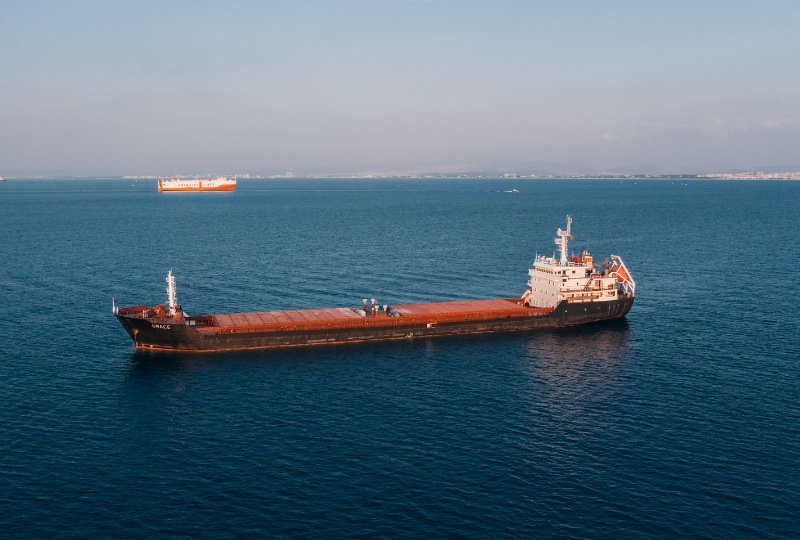
Sea Transport
Sea transport is one of the most common international transportation methods, allowing the economical shipment of large and heavy goods over long distances. It is suitable for container shipping, bulk cargo, and project cargo, ensuring the safe transportation of different types of goods. Due to cost efficiency and capacity advantages, this method is preferred in large-scale trade.
Sea transport provides stability in the logistics chain through the planned use of routes and ports. Goods are loaded at ports and transported to destination ports while being protected by insurance and tracking systems throughout the journey. Port operations and customs procedures are coordinated to ensure smooth progress of shipments.
Documentation and paperwork are critical in sea transport. The Bill of Lading (B/L), customs documents, transport contracts, and necessary permits guarantee the legal and safe transportation of goods. Missing or incorrect documentation can cause delays and additional costs; therefore, expert consultancy and procedure tracking are essential.
Sea transport offers flexible shipping options and scale advantages. The ability to transport large volumes of goods in a single shipment reduces logistics costs and increases supply chain efficiency. Additionally, inter-port distribution and hinterland transport facilitate the delivery of goods to their final destinations.
While sea transport takes longer compared to air transport, it plays a critical role in international trade due to cost and capacity advantages. With long-term planning and proper route selection, sea transport provides a safe, economical, and sustainable solution.